

Introduction
A watch is more than just a time-telling device; it is a style statement, a personal accessory, and often a long-term investment. However, many people overlook one important part of their watch: the strap. Proper maintenance of the strap can significantly increase the life of your watch and keep it looking fresh and elegant. This Watch Strap Care and Maintenance Guide is designed to help beginners and intermediate users understand how to take care of different types of watch straps in a simple and practical way.
When you follow a proper Watch Strap Care and Maintenance Guide, you not only improve durability but also maintain hygiene and comfort. Straps absorb sweat, dust, and daily dirt, which can damage the material over time if not cleaned properly. Whether you use leather, metal, rubber, or fabric straps, each type requires specific care techniques. In this article, you will learn step-by-step maintenance methods, common mistakes, and expert tips that will help you extend the life of your watch strap while keeping it stylish and comfortable for daily use.
What is Watch Strap Care and Maintenance Guide?
Watch strap care and maintenance refers to the process of cleaning, protecting, and preserving the material of your watch strap to ensure long-lasting durability. A Watch Strap Care and Maintenance Guide explains how different strap materials require different cleaning methods and handling techniques.
In simple words, it is a set of instructions that helps you keep your watch strap in good condition. For example, leather straps need moisturizing, metal straps need polishing, and rubber straps need regular washing. Without proper care, straps can become weak, discolored, or uncomfortable to wear over time. This guide helps users understand these differences and apply the right methods for maintenance.
Why is Watch Strap Care and Maintenance Guide Important?

Taking care of your watch strap is essential because it directly affects both appearance and performance. A well-maintained strap improves the overall look of your watch and ensures comfort during daily use.
Another important reason is durability. Straps are exposed to sweat, sunlight, moisture, and dust, which can slowly damage their structure. If ignored, even expensive watch straps can wear out quickly. A proper Watch Strap Care and Maintenance Guide helps prevent early damage and saves money by reducing the need for frequent replacements.
Detailed Step-by-Step Guide
Cleaning Leather Watch Straps
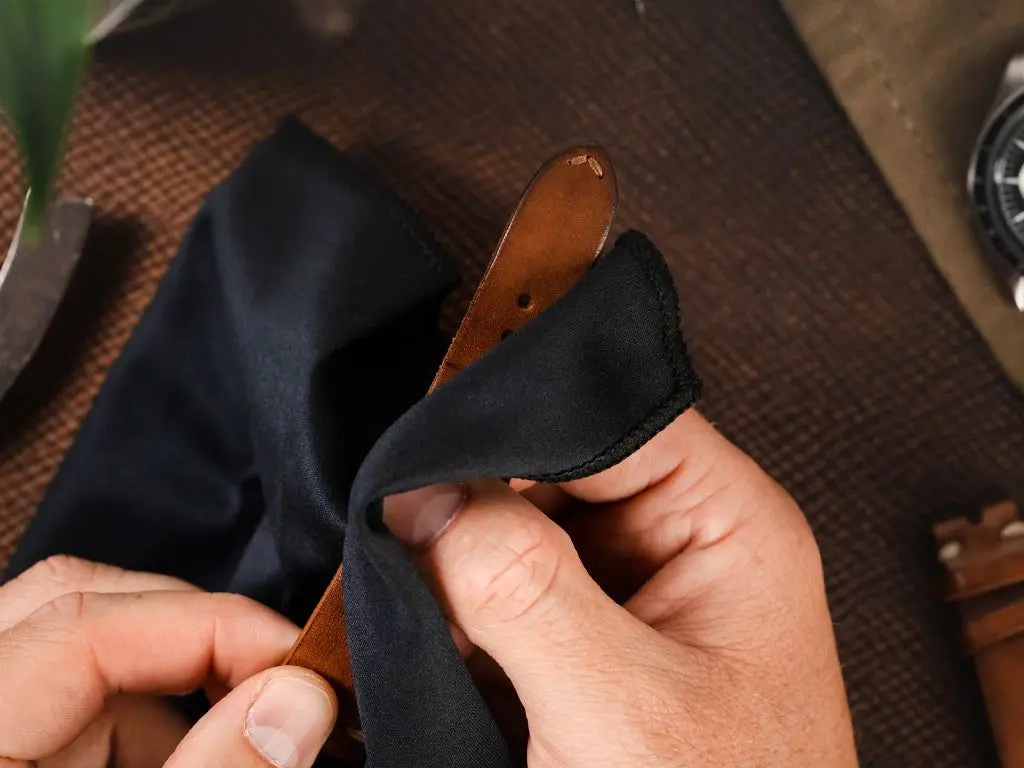
Leather straps are elegant but sensitive. Start by wiping the surface with a soft dry cloth. Avoid soaking it in water. Use a slightly damp cloth with mild soap for deeper cleaning. Let it air dry naturally, and apply a leather conditioner to keep it soft and flexible.
Cleaning Metal Watch Straps
Metal straps require regular polishing to maintain shine. Use a soft toothbrush with mild soap and water to remove dirt between links. Dry it thoroughly with a microfiber cloth to prevent rust or water spots.
Cleaning Rubber and Silicone Straps
Rubber straps are easy to clean. Wash them with warm water and mild soap. Scrub gently to remove sweat and dirt. Rinse properly and dry before wearing again.
Cleaning Fabric Watch Straps
Fabric straps should be hand-washed gently using mild detergent. Avoid harsh scrubbing. Let them air dry completely before reuse to prevent odor or damage.
Proper Storage Methods
Always store your watch in a dry place. Avoid direct sunlight and humidity. Use a watch box or pouch to protect the strap from dust and scratches.
Benefits of Watch Strap Care and Maintenance Guide
- Increases the lifespan of your watch strap
- Keeps your watch looking new and stylish
- Improves hygiene by removing sweat and bacteria
- Saves money on frequent replacements
- Enhances comfort during daily wear
- Prevents damage caused by moisture and dirt
Disadvantages / Risks
- Requires regular time and effort
- Improper cleaning can damage delicate materials
- Using wrong products may reduce strap quality
- Over-cleaning can weaken leather straps
- Neglecting maintenance leads to early wear and tear
Common Mistakes to Avoid
Many people damage their watch straps by using incorrect cleaning methods. One common mistake is using harsh chemicals that can ruin the material. Another mistake is soaking leather straps in water, which causes cracking and stiffness.
People also forget to dry straps properly, leading to bad odor or rust in metal straps. Wearing a wet strap is another issue that reduces durability. Avoiding these mistakes ensures your watch strap stays in good condition for a long time.
FAQs
1. How often should I clean my watch strap?
It depends on usage. If you wear your watch daily, clean it at least once every two weeks. For occasional use, once a month is enough. Regular cleaning prevents dirt buildup and keeps the strap fresh.
2. Can I use water on leather straps?
Water should be used very carefully on leather. A slightly damp cloth is acceptable, but soaking leather can damage it. Always dry it naturally after cleaning.
3. What is the best way to maintain metal straps?
Metal straps should be cleaned with mild soap and a soft brush. Drying properly after cleaning is essential to prevent rust or stains.
4. How do I stop bad smell in watch straps?
Regular cleaning and proper drying help prevent odor. For fabric or rubber straps, washing with mild soap removes sweat and bacteria effectively.
5. Can I wear my watch while swimming?
Only if your watch and strap are water-resistant. Even then, it is better to rinse and dry it afterward to avoid long-term damage.
6. What is the longest-lasting watch strap material?
Metal straps usually last the longest due to their durability. However, proper maintenance is still required to keep them in good condition.
Expert Tips & Bonus Points
Experts recommend rotating between multiple straps to reduce wear on a single one. This helps extend overall lifespan.
Avoid exposing any strap to extreme heat or direct sunlight for long periods. It can weaken the material and fade its color.
Using a protective coating spray for leather straps can add extra durability. For metal straps, periodic professional polishing can maintain shine and strength.
Conclusion
Proper watch strap maintenance is not just about cleanliness; it is about preserving style, comfort, and long-term value. A well-maintained strap enhances the overall appearance of your watch and ensures it remains comfortable for daily use. This Watch Strap Care and Maintenance Guide provides all the essential knowledge needed to keep different types of straps in excellent condition.
By following simple cleaning methods and avoiding common mistakes, you can significantly extend the life of your watch strap. Whether it is leather, metal, rubber, or fabric, each material has specific needs that must be respected. Regular care also helps maintain hygiene by removing sweat and dirt that accumulate over time.
In the end, taking care of your watch strap is a small effort that brings long-term benefits. It saves money, improves style, and ensures your watch always looks its best. With consistent maintenance and the right approach, your watch strap can remain durable, comfortable, and elegant for years to come.
