

Introduction
Choosing the right watch strap is just as important as choosing the watch itself. A strap affects comfort, durability, style, and even how your watch performs in daily life. When people search for Best Watch Strap Materials Explained, they usually want to understand which material suits their lifestyle, budget, and fashion sense.
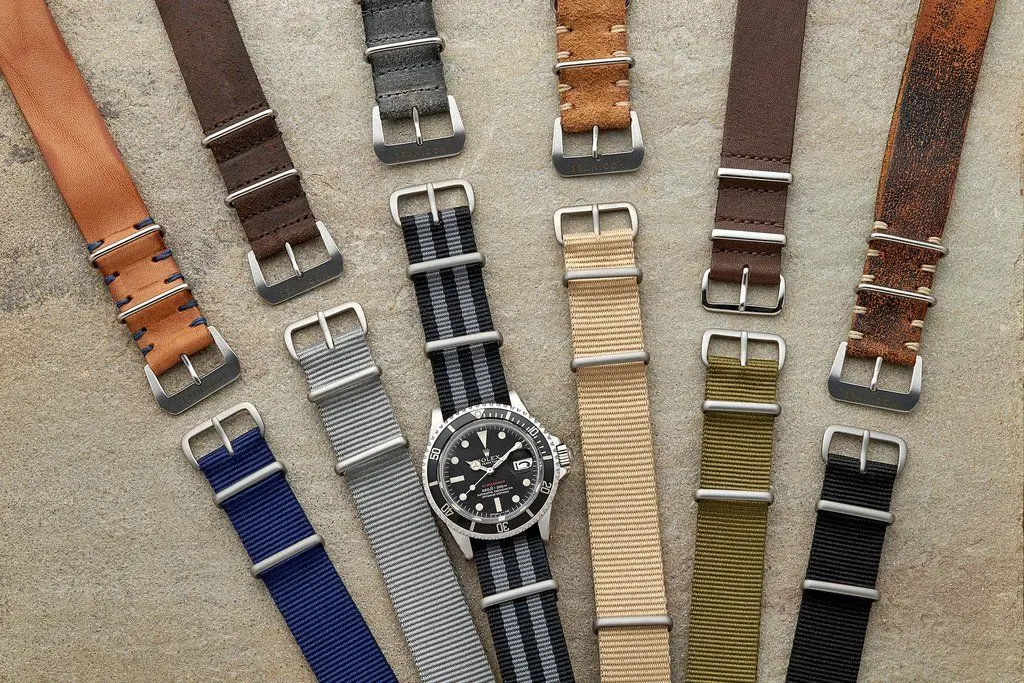
Watch straps come in many materials such as leather, stainless steel, rubber, nylon, and even modern eco-friendly alternatives. Each material has its own strengths and weaknesses, making the decision more complex than it first appears. For example, a leather strap offers a classic and elegant look, while a rubber strap is perfect for sports and outdoor activities.
In today’s market, watches are not just time-telling devices but fashion statements. That means your strap plays a major role in expressing personality. A poor choice can lead to discomfort, quick wear and tear, or a mismatched style. On the other hand, the right strap enhances both appearance and usability.
In this guide, we will break down everything you need to know about watch strap materials in a simple and practical way. Whether you are a beginner or someone looking to upgrade your watch style, this article will help you make an informed decision with confidence.
What is Watch Strap Material?
Watch strap material refers to the substance used to manufacture the band that holds the watch on your wrist. It directly affects how the watch feels, looks, and performs in different conditions. Common materials include leather, metal, silicone, rubber, nylon, and fabric-based options.
Each material is designed with a specific purpose in mind. For example, leather is crafted for elegance and formal wear, while rubber is designed for durability and water resistance. Metal straps, often made of stainless steel, provide a premium and long-lasting feel.
Modern innovations have also introduced hybrid materials that combine comfort with durability. These include woven nylon straps, carbon fiber designs, and eco-friendly alternatives made from recycled materials.
Understanding watch strap materials helps you match your watch with your lifestyle. A businessman may prefer leather or metal, while an athlete may choose silicone or nylon for flexibility and sweat resistance.
Why is Watch Strap Material Important?

The material of a watch strap is more than just a design choice; it impacts daily usability and long-term satisfaction. A wrong choice can cause discomfort or even damage over time.
First, comfort plays a huge role. Since a watch is worn for hours, the material must feel soft and breathable on the skin. Leather and nylon are known for their comfort, while metal can sometimes feel heavy.
Second, durability matters. Some materials last for years with minimal wear, while others may require frequent replacement. Metal and high-quality rubber straps tend to last longer than fabric-based ones.
Third, style consistency is important. Your strap should match your wardrobe and occasion. A formal suit pairs better with leather or metal, while casual wear works well with nylon or silicone.
Finally, maintenance and cost also influence the decision. Some straps require regular care, while others are almost maintenance-free. Understanding these factors ensures better long-term value and satisfaction.
Detailed Step-by-Step Guide to Choosing Watch Strap Materials
Step 1: Identify Your Lifestyle Needs
Before selecting a strap, analyze how you use your watch daily.
- Office or formal use
- Sports and fitness activities
- Casual daily wear
- Outdoor or adventure use
Each lifestyle demands a different material type.
Step 2: Understand Material Properties
Different materials offer different features:
- Leather: Stylish, comfortable, less water-resistant
- Stainless Steel: Durable, premium, heavier feel
- Rubber/Silicone: Waterproof, flexible, sporty
- Nylon: Lightweight, breathable, casual look
Knowing these helps narrow your choices.
Step 3: Consider Comfort and Fit
Comfort should never be ignored. A strap that irritates your skin or feels too tight can ruin your experience.
Check for:
- Breathability
- Flexibility
- Weight on wrist
Step 4: Match with Watch Design
Not all straps suit every watch. A luxury watch pairs better with leather or metal, while a digital sports watch works best with rubber or nylon.
Step 5: Check Maintenance Requirements
Some straps need regular polishing or conditioning. Others just need simple cleaning.
- Leather requires care products
- Metal may need polishing
- Rubber can be washed easily
Benefits of Watch Strap Materials
- Improved comfort for daily wear
- Better durability and long lifespan
- Enhanced fashion and personal style
- Wide variety of options for every budget
- Suitable for different environments and activities
- Easy customization and replacement options
Disadvantages / Risks of Watch Strap Materials
- Leather may get damaged by water and sweat
- Metal straps can feel heavy on long use
- Rubber may degrade under extreme heat over time
- Nylon can absorb moisture and odors
- Some premium materials are expensive
- Improper care can reduce lifespan significantly
Common Mistakes to Avoid
Many people make mistakes when choosing watch straps. Avoiding these can save money and improve comfort.
- Choosing style over comfort
- Ignoring lifestyle requirements
- Buying low-quality cheap materials
- Not checking strap compatibility with watch
- Overlooking maintenance needs
- Selecting wrong size or fit
- Following trends without practical consideration
FAQs
1. What is the most durable watch strap material?
Stainless steel and high-quality rubber are considered the most durable materials. They can withstand daily wear, moisture, and impact better than others.
2. Which watch strap is best for daily use?
Leather and nylon straps are excellent for daily use due to their comfort and versatility. Silicone is also a good option for active lifestyles.
3. Are leather watch straps waterproof?
No, leather straps are not waterproof. Exposure to water can damage their texture and reduce lifespan.
4. Which strap is best for sports activities?
Rubber or silicone straps are ideal for sports because they are sweat-resistant, flexible, and easy to clean.
5. Do metal straps cause skin irritation?
In some cases, low-quality metal straps may cause irritation. High-quality stainless steel is generally safe and hypoallergenic.
6. How often should I replace a watch strap?
It depends on usage and material. On average, straps may last 1–5 years. Regular maintenance can extend their lifespan.
Expert Tips & Bonus Points
- Always match strap material with your daily activity
- Invest in at least two different straps for versatility
- Clean your strap regularly to extend its life
- Rotate straps to reduce wear and tear
- Choose breathable materials for hot climates
- Test comfort before final purchase whenever possible
- Prefer quality over cheap alternatives for long-term savings
Conclusion
Understanding Best Watch Strap Materials Explained helps you make a smarter and more practical choice when selecting a watch band. The strap you choose is not just an accessory; it defines your comfort, style, and overall watch experience.
Leather straps offer timeless elegance, metal straps provide premium durability, while rubber and nylon bring flexibility and sporty functionality. Each material serves a different purpose, and there is no universal “best” option—only what suits your lifestyle best.
Before making a decision, always consider your daily activities, comfort level, maintenance ability, and fashion preferences. A well-chosen strap can completely transform the look and feel of your watch.
In the end, investing time in understanding watch strap materials ensures long-term satisfaction and better value for money. Whether you prefer a classic, sporty, or modern look, the right strap will always enhance your personality and confidence.
