

Introduction
Choosing the right watch strap can completely change the look, feel, and durability of your watch. When comparing genuine leather vs faux leather watch straps, many buyers feel confused about which option is better for their needs. Both materials offer unique benefits, and your final decision often depends on budget, comfort, style, and long-term use.
Genuine leather vs faux leather watch straps is not just a matter of price. It also involves factors like durability, maintenance, skin sensitivity, and environmental impact. Beginners often assume genuine leather is always better, but that is not always true in every situation. Faux leather has improved significantly in quality and design over the years.
In this guide, you will learn everything about genuine leather vs faux leather watch straps in a simple and clear way. From understanding the materials to comparing their advantages and disadvantages, this article will help you make a confident buying decision.
What is Genuine Leather vs Faux Leather Watch Straps?
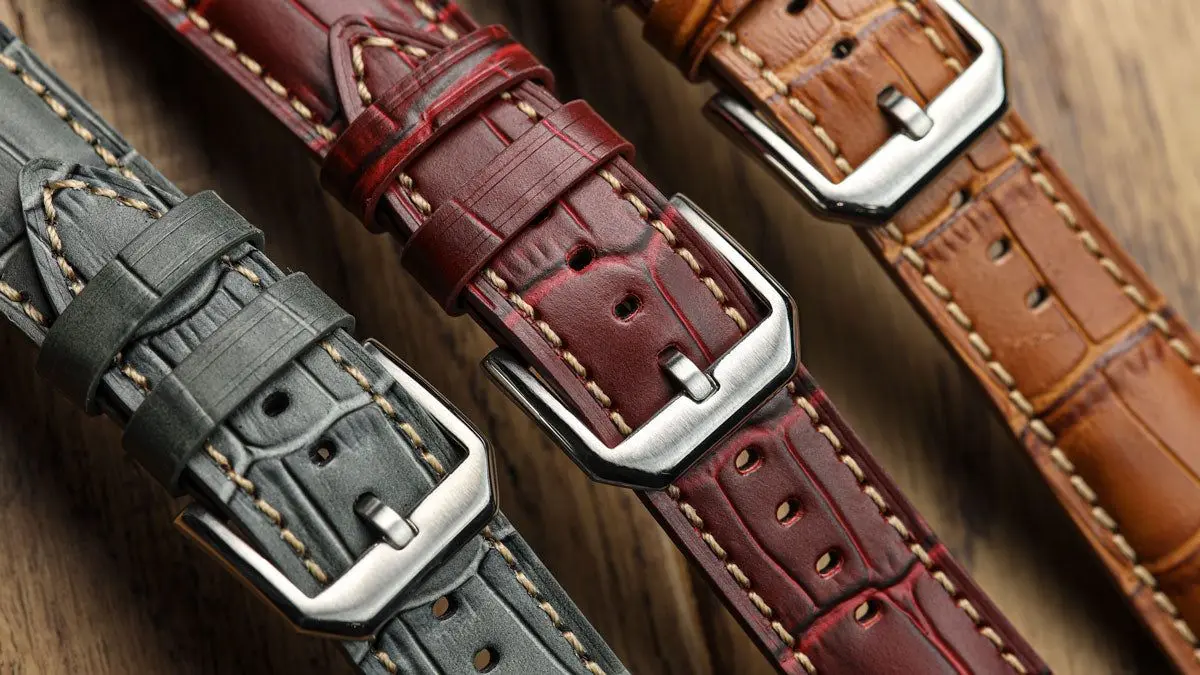
Genuine leather watch straps are made from real animal hide, usually cowhide. They go through a tanning process to make them durable and flexible. Over time, genuine leather develops a natural patina, which gives it a unique and premium look.
Faux leather watch straps, on the other hand, are synthetic materials designed to mimic real leather. They are usually made from polyurethane (PU) or polyvinyl chloride (PVC). While they may look similar to real leather, they do not have the same natural texture or aging characteristics.
Why is Genuine Leather vs Faux Leather Watch Straps Important?

Understanding the difference between genuine leather vs faux leather watch straps is important because it directly affects your comfort and overall experience. A strap that looks good but feels uncomfortable can quickly become frustrating.
Additionally, the choice impacts durability and maintenance. Genuine leather tends to last longer with proper care, while faux leather may be more resistant to water and easier to maintain. Knowing these differences helps you choose a strap that fits your lifestyle.
Detailed Step-by-Step Guide
Step 1: Understand Your Needs
Start by identifying how you plan to use your watch. If you wear it daily for work, comfort and durability should be your priority. If it is for occasional use, appearance may matter more.
For example, office professionals often prefer genuine leather for its premium feel. Meanwhile, students or casual users may find faux leather more practical and affordable.
Step 2: Compare Durability
Genuine leather watch straps are known for their strength and long lifespan. With proper care, they can last for years and even improve in appearance over time.
Faux leather, while durable in its own way, tends to crack or peel after extended use. However, modern synthetic materials have improved and can still last a reasonable amount of time.
Step 3: Check Comfort and Skin Sensitivity
Comfort is a major factor when comparing genuine leather vs faux leather watch straps. Genuine leather is breathable and adapts to your wrist over time, making it very comfortable.
Faux leather may not be as breathable, which can cause sweating or irritation, especially in hot weather. However, some people with allergies to animal products may prefer synthetic options.
Step 4: Evaluate Appearance and Style
Genuine leather offers a classic and timeless look. Each strap has a unique texture, making it more appealing for formal settings.
Faux leather provides a wide variety of colors and designs. It is easier to find trendy or bold styles in synthetic materials, which makes it ideal for fashion-focused users.
Step 5: Consider Maintenance
Genuine leather requires regular care, such as conditioning and protection from water. Without proper maintenance, it can dry out or crack.
Faux leather is much easier to maintain. It can be cleaned with a damp cloth and does not require special treatment, making it a convenient choice for busy individuals.
Step 6: Analyze Cost
Price is often the deciding factor. Genuine leather watch straps are usually more expensive due to the material and craftsmanship involved.
Faux leather is more affordable and accessible. It offers a similar look at a lower price, which is why many beginners choose it.
Benefits of Genuine Leather vs Faux Leather Watch Straps
Genuine Leather Benefits:
- Long-lasting and durable
- Develops a unique patina over time
- Comfortable and breathable
- Premium and elegant appearance
- Suitable for formal occasions
Faux Leather Benefits:
- Affordable and budget-friendly
- Easy to maintain and clean
- Water-resistant compared to real leather
- Available in many colors and styles
- No animal products used
Disadvantages / Risks
Genuine Leather Drawbacks:
- Expensive compared to synthetic options
- Requires regular maintenance
- Not water-resistant
- Can be affected by humidity and sweat
Faux Leather Drawbacks:
- May crack or peel over time
- Less breathable and can feel uncomfortable
- Does not age as gracefully
- Lower overall durability
Common Mistakes to Avoid
One common mistake is choosing a strap based only on appearance. Many buyers select a stylish faux leather strap without considering comfort or durability, which leads to disappointment later.
Another mistake is ignoring maintenance. Genuine leather requires care, and skipping this step can reduce its lifespan. Similarly, some users expect faux leather to last as long as real leather, which is not always realistic.
Overlooking climate conditions is also a problem. In hot and humid environments, faux leather may feel uncomfortable, while genuine leather may require extra care to prevent damage.
FAQs
1. Which is better: genuine leather or faux leather watch straps?
It depends on your needs. Genuine leather is better for durability and comfort, while faux leather is ideal for affordability and easy maintenance.
2. Do genuine leather watch straps last longer?
Yes, genuine leather generally lasts longer if properly maintained. It can stay in good condition for several years.
3. Is faux leather waterproof?
Faux leather is more water-resistant than genuine leather, but it is not completely waterproof. Prolonged exposure to water can still damage it.
4. Are faux leather watch straps comfortable?
They can be comfortable for short-term use, but they are usually less breathable than genuine leather, especially in warm weather.
5. How can I tell if a strap is genuine leather?
Genuine leather has a natural texture and smell. It may also show slight imperfections, which indicate authenticity.
6. Is faux leather environmentally friendly?
Faux leather avoids animal use, but it is made from synthetic materials, which can have environmental impacts. Both options have pros and cons.
Expert Tips & Bonus Points
If you want a long-term investment, choose genuine leather and take proper care of it. Regular conditioning can keep it soft and prevent cracking.
For daily wear in humid or rainy conditions, faux leather can be a practical choice. It handles moisture better and requires less maintenance.
Always check the stitching and build quality of the strap. Even a genuine leather strap can perform poorly if it is poorly made.
Try different strap types before making a final decision. Personal comfort and style preference play a big role in satisfaction.
Conclusion
When comparing genuine leather vs faux leather watch straps, there is no single answer that fits everyone. Each option has its strengths and weaknesses, and the best choice depends on your personal needs and lifestyle.
Genuine leather stands out for its durability, comfort, and premium appearance. It is an excellent choice for those who value quality and are willing to invest time in maintenance. On the other hand, faux leather offers affordability, convenience, and a wide range of styles, making it suitable for casual users and beginners.
Ultimately, the decision comes down to what matters most to you. If you prefer a classic and long-lasting option, genuine leather is worth considering. If you want something budget-friendly and easy to manage, faux leather can be a smart choice.
By understanding the differences and evaluating your priorities, you can confidently select the perfect watch strap that matches your style and daily needs.
